Cloud Hosting 101
Cloud hosting is the latest technological advancement in the web hosting industry, and it’s clearly here to stay. But despite its popularity, there are hundreds out there who haven’t really gotten hold of the various terminologies associated with it.
Here’s are a few common terms that you will certainly stumble across:
-
Cloud: The Cloud is a term applied to any device that uses the Internet to provide an end user experience. The information that is hosted on the web host’s servers can be accessed from any location and any device that has an accessible Internet connection.
-
Cloud OS: An operating system that is offered via the Internet is referred to as the Cloud OS. It is installed on the web hosting company’s server. Windows Azure is an example of Cloud OS.
-
Private and Public Cloud: There are two ways to use a cloud - private and public. A private cloud is the one that an organization uses exclusively for itself. The opposite usage makes it a public Cloud.
-
Hybrid Cloud: A Cloud computing environment that is a combination of both private (internal) and public (external) cloud environments.
-
Cloud Storage: A service that allows the users to store data in a location apart from their computer to be able to access it from anywhere using the Internet. Web hosting service providers are increasingly offering attractive packages for cloud computing.
-
Cloud Service Provider: A hosting company that provides cloud computing solutions, storage and servers. Google is one of the biggest and the most popular cloud providers till date.
-
Cloud Storming: The process of connecting multiple cloud computing environments.
-
IaaS: It stands for Infrastructure as a Service and is used to describe any virtual service offered to a user. This may include virtualized servers, maintenance and software installation/ updates.
-
PaaS: It stands for Platform as a Service and is used to describe any computing platform that is offered over the Internet. Google Chrome OS is a PaaS.
-
SaaS: Standing for Software as a Service, this term is used to describe a piece of software that is offered over the Internet. Users need not install the software on their devices as it can be accessed easily via the Internet. Gmail is an example of SaaS.
-
Data Center: Building where the IT companies house their cloud servers.
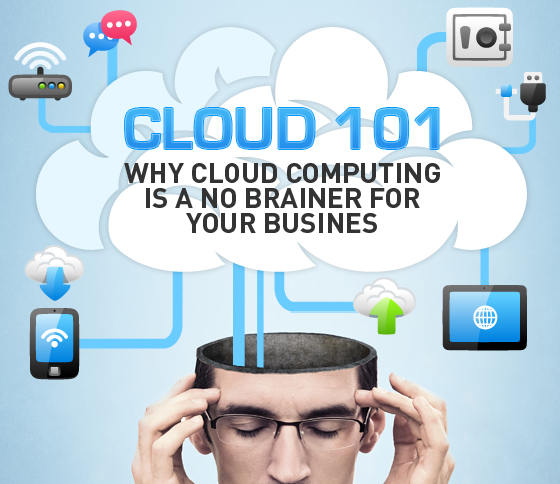
If you are starting of a website and have plans to grow it, you might want to consider cloud hosting as an option; it offers unlimited resources and you are billed only according to the amount of resources you utilise. Switching from one hosting plan to another is never a wise thing to do as there can be a loss of data during the transfer. So make sure you understand each term of Cloud Hosting and the other hosting plan types before signing up your website with a web hosting service provider.
Know your needs and stay in sync with the trends. Time to start Clouding!
Got any other term to add? Please feel free to do so.
